When a customer walks into your store, can you instantly recognize if they are a VIP who spends RM500 a month? If you can’t, you might be losing them.
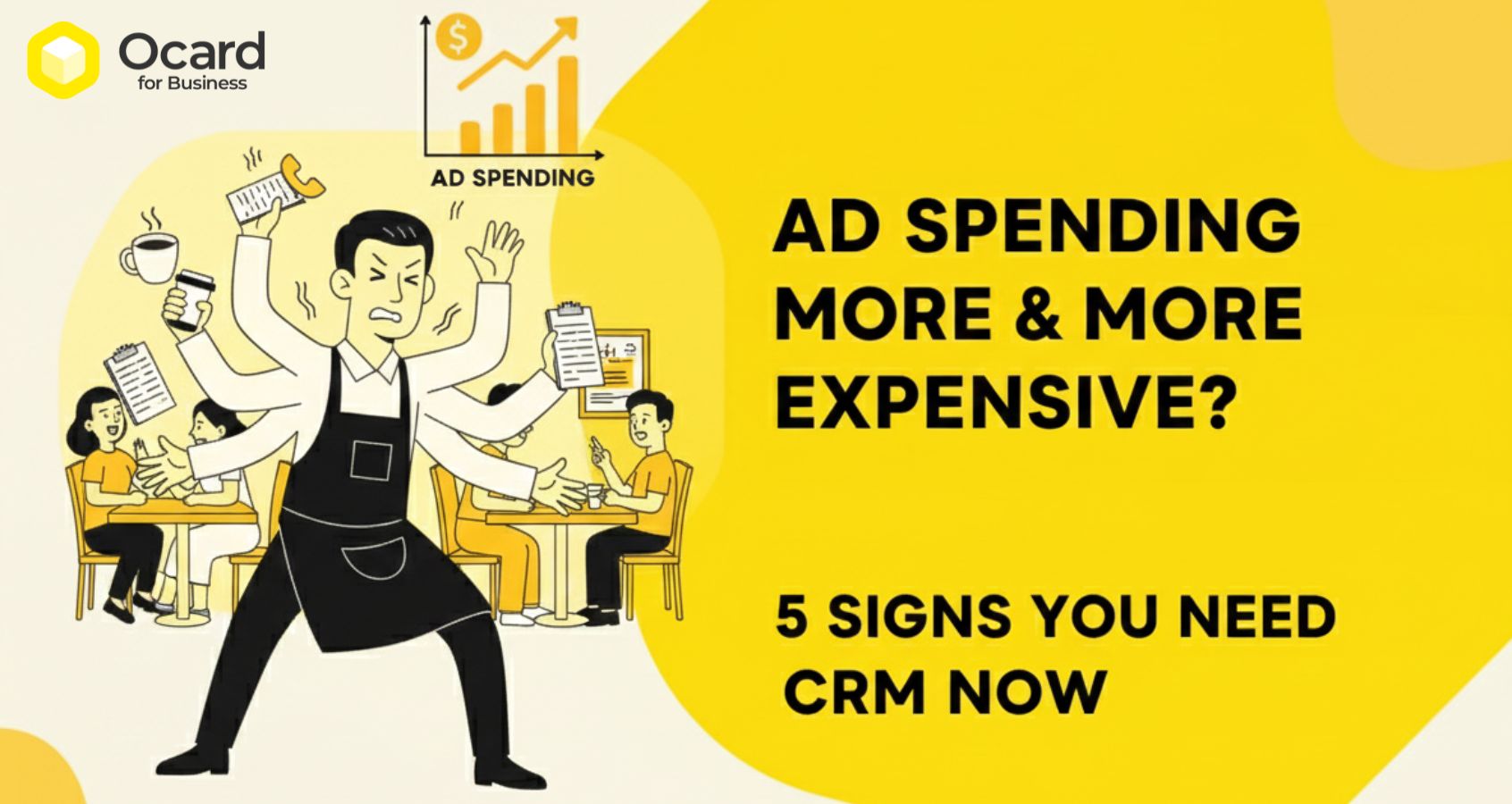
Rising Ad Costs & Few Returning Customers? 5 Signs Your Malaysian F&B Business Needs a CRM System Now
Why “Good Food” Isn’t Enough Anymore in Malaysia
On the bustling streets of KL, Penang, or JB, new cafes, restaurants, and boutiques open every single day. For business owners in Malaysia, you are facing a double threat: Skyrocketing digital ad costs (Facebook/Instagram Ads) and declining customer loyalty.
Do you feel that even though business looks busy, your profits at the end of the month are being eaten up by marketing fees? Or, do you see plenty of new faces, but realize the regulars you used to know have stopped coming?
It’s not a problem with your product; it’s a problem with your “retention strategy.” This is why you need a CRM (Customer Relationship Management) system.
If your business is showing these 5 signs, implementing a CRM system is no longer optional—it is urgent.
Table of Contents
ToggleSign #1: You Rely 100% on Facebook & Instagram Ads
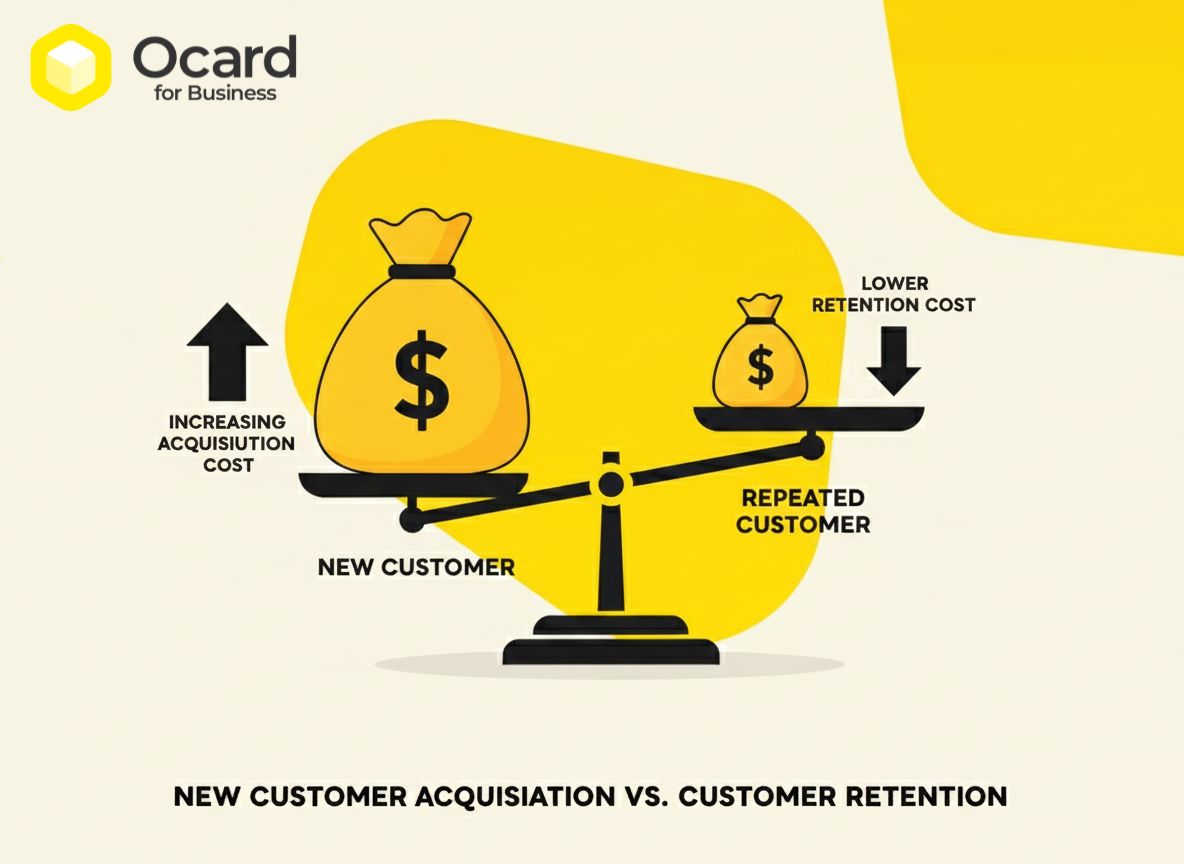
This is the most dangerous signal. If your customer source relies entirely on paid ads, your business will suffer immediately once ad prices rise or algorithms change.
- The CRM Solution: A CRM system helps you build your own “private traffic.” When you own your customer list and contact details, you don’t need to pay for ads every time. You can reach them directly via push notifications or SMS—for free.
Sign #2: You Are Still Using Paper Stamp Cards
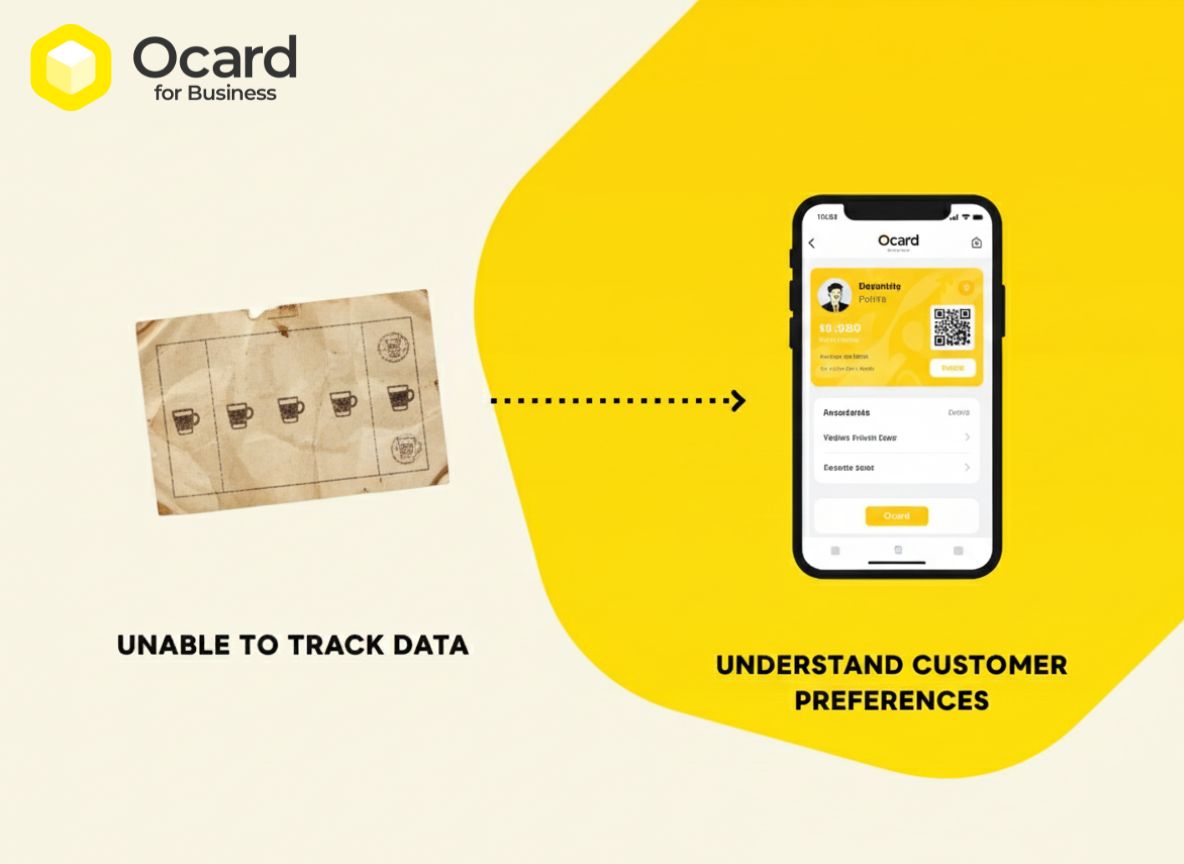
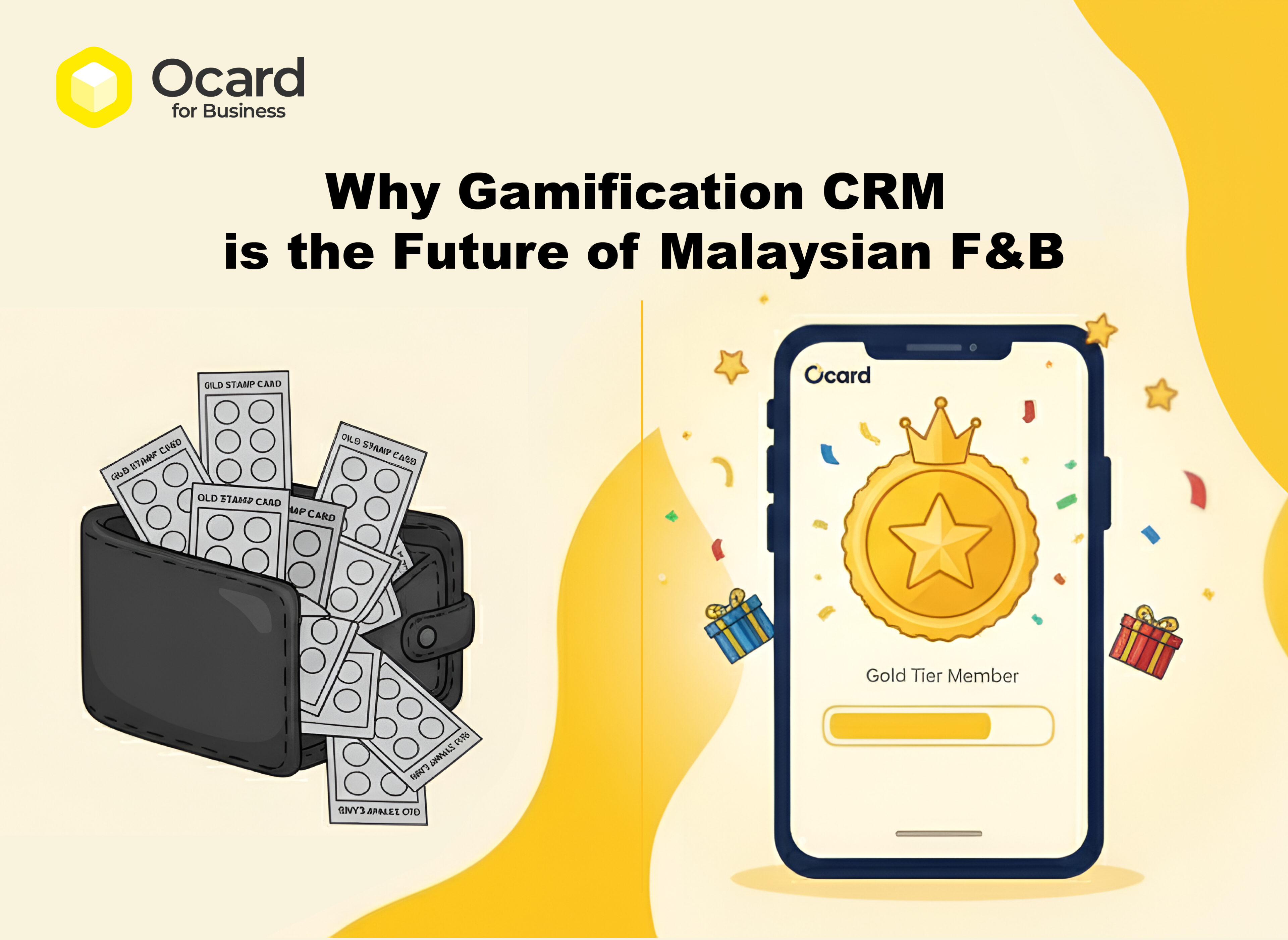
Many Malaysian shops still use paper stamp cards. While this is a form of loyalty program, it has a fatal flaw: You have no idea who your customers are.
What if they lose the card? Do you know who the person with the full card is? Do you know how often they visit?
- The CRM Solution (Ocard): Ocard digitizes loyalty. Customers simply state their phone number or scan a code. You don’t just give points; you collect data. You will know that “Ali comes every Friday for a Latte”—something a paper card can never tell you.
Sign #3: You Can’t Tell a “VIP” from a “Walk-in”
Treating a VIP exactly the same as a random walk-in is a huge business mistake.
- The CRM Solution: The Ocard CRM system automatically categorizes customers based on spending (e.g., Gold, Platinum). When a VIP checks out, the system alerts your staff to offer a special greeting or hidden discount. This feeling of exclusivity is key to retaining high-spenders.
Sign #4: You Have Many “One-Time Customers” Who Never Return
Malaysia sees many tourists or “foodie hunters” attracted by influencers. They come once, and then what? Most disappear forever.
If you don’t have a mechanism to “hook” them, that marketing budget is wasted.
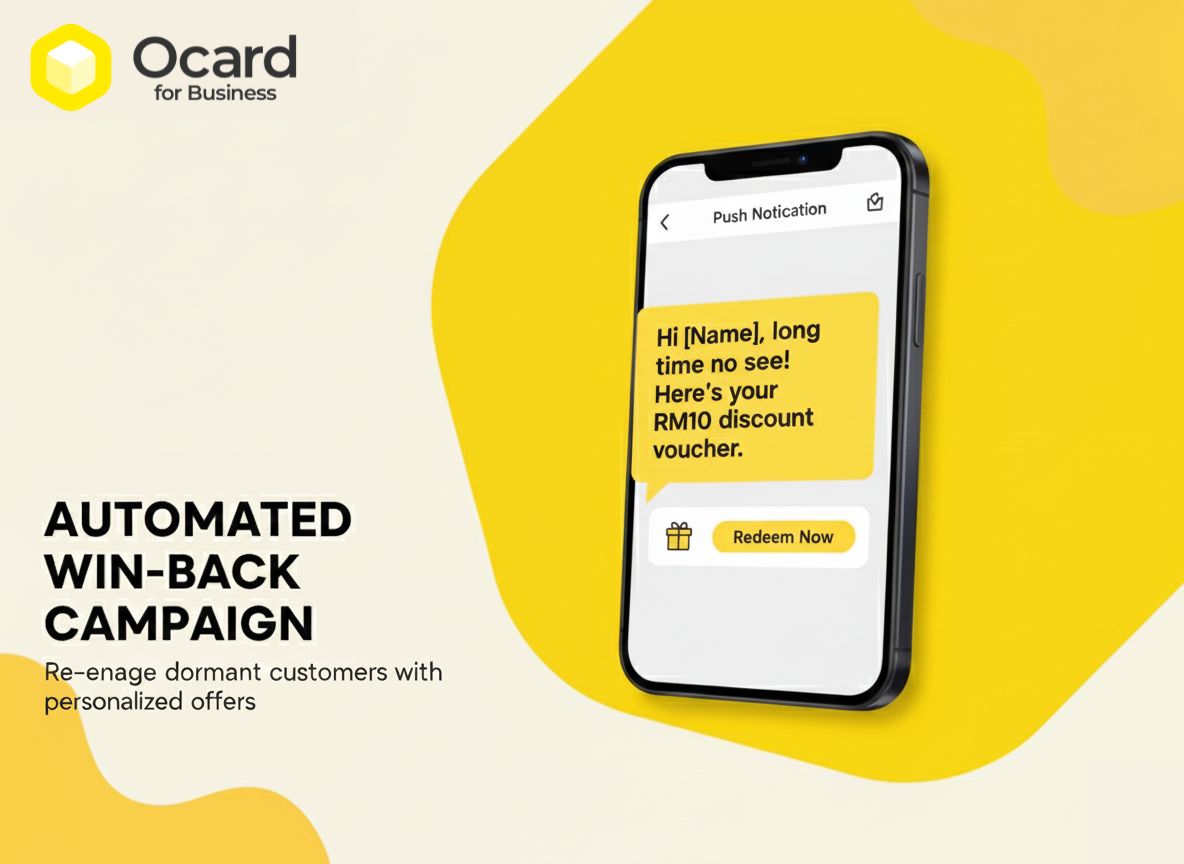
- The CRM Solution: Capture their data with a CRM “Welcome Gift.” Then, the system can automatically send a voucher 7 or 30 days after their visit to remind them: “It’s time to come back!”
Sign #5: You Don’t Have Time for Complex Data
As an SME owner, you manage staff, accounts, and operations. You don’t have time to learn complex data analysis software. This is why many owners resist CRM.
- The CRM Solution (Ocard): Ocard is designed for busy owners. We don’t need you to be a data scientist. Our dashboard tells you exactly what matters:
- How many new members this month?
- What is the repurchase rate?
- Which voucher is the most popular?
- Verdict: Simple and clear, helping you make decisions in 3 minutes.
Conclusion: Ocard is Your Best CRM Weapon Against Rising Costs
If your business matches any of the signs above, now is the best time to implement a CRM.
In Malaysia’s competitive F&B and retail market, “owning customer data” means owning profit. Ocard Malaysia offers the most suitable CRM solution for local merchants: simple, effective, and focused on increasing repeat visits.
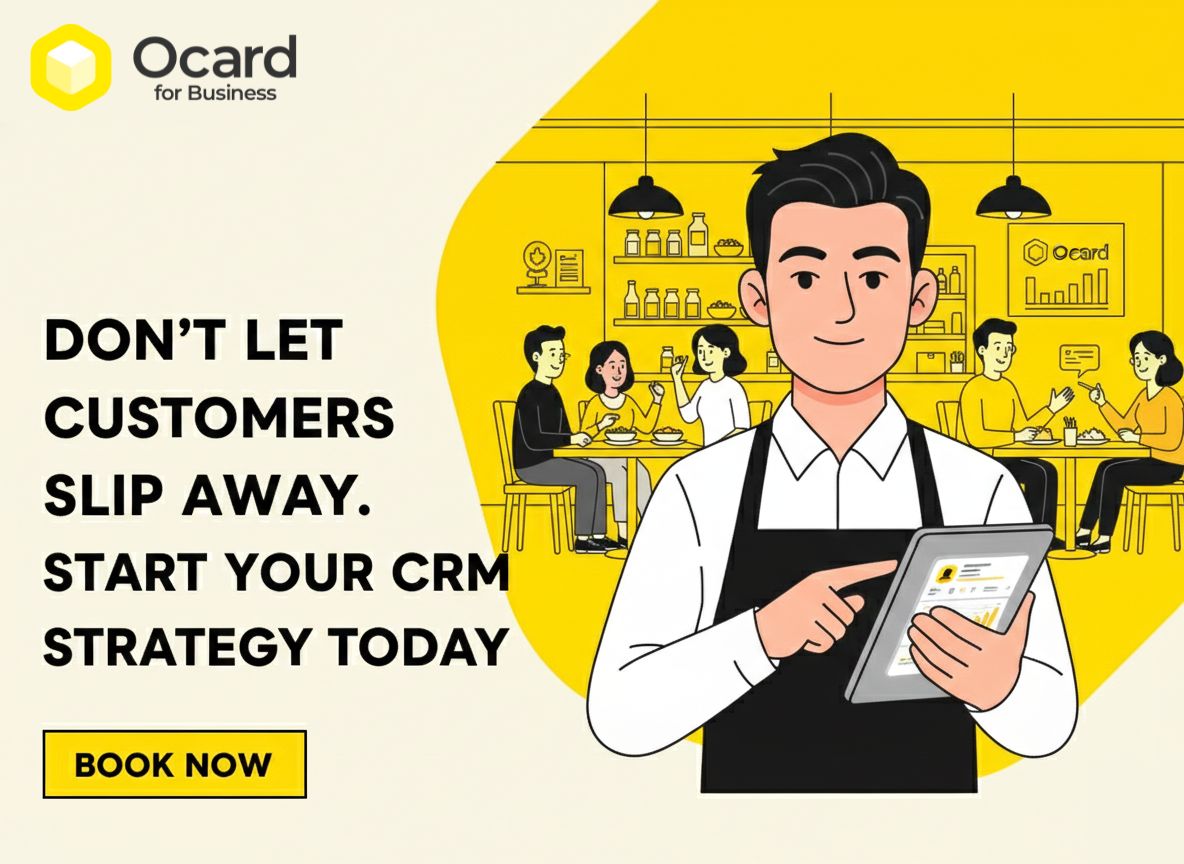
Stop letting your regulars slip away.
FAQs
Q1:What is the difference between a Sales CRM and a Loyalty CRM?
A Sales CRM focuses on managing leads and pipelines, while a Loyalty CRM focuses on retaining existing customers through memberships, automation, and repeat-visit marketing—making it the better choice for Malaysia’s F&B and retail businesses.
Q2:Which CRM is best for F&B and retail SMEs in Malaysia?
For brick-and-mortar businesses, a Loyalty CRM like Ocard is the most effective. It helps SMEs increase repeat customers, automate remarketing, and boost customer lifetime value—without the complexity of enterprise Sales CRMs.
Q3:Why should Malaysian SMEs choose a Loyalty CRM over a Sales CRM?
Most F&B and retail revenue comes from repeat customers. A Loyalty CRM helps you collect customer data, segment your audience (RFM), and send automated rewards—making it far more practical and profitable for offline SMEs than Sales CRMs.
Just For You