If you run a consumer-facing business (B2C), your CRM checklist should look like this:
CRM Malaysia: Why Traditional Software Fails SMEs and What You Should Use Instead
Is Your Business Ready for a CRM? A Guide for Malaysian SMEs
In the competitive landscape of Malaysian retail and F&B, acquiring a new customer is getting expensive. The secret to sustainable growth isn’t just marketing; it’s retention. This is where CRM (Customer Relationship Management) comes in.
However, when you search for “CRM Malaysia,” you often find complex, expensive software designed for multinational corporations. For a local café in KL or a boutique in Penang, these tools are often overkill.
Here is why your business needs a CRM designed specifically for the Malaysian market, and how to choose the right one.
Table of Contents
ToggleWhat is CRM and Why Do Malaysian SMEs Need It?
CRM is not just a database of names and phone numbers. It is a strategy to understand your customers’ buying habits.
In Malaysia, where customers are highly digitally savvy but price-sensitive, a good CRM helps you:
- Track Spending: Know who your VVIPs are.
- Personalize Marketing: Send a voucher when a customer hasn’t visited in 30 days.
- Increase ROI: Stop wasting money on ads targeting the wrong people.
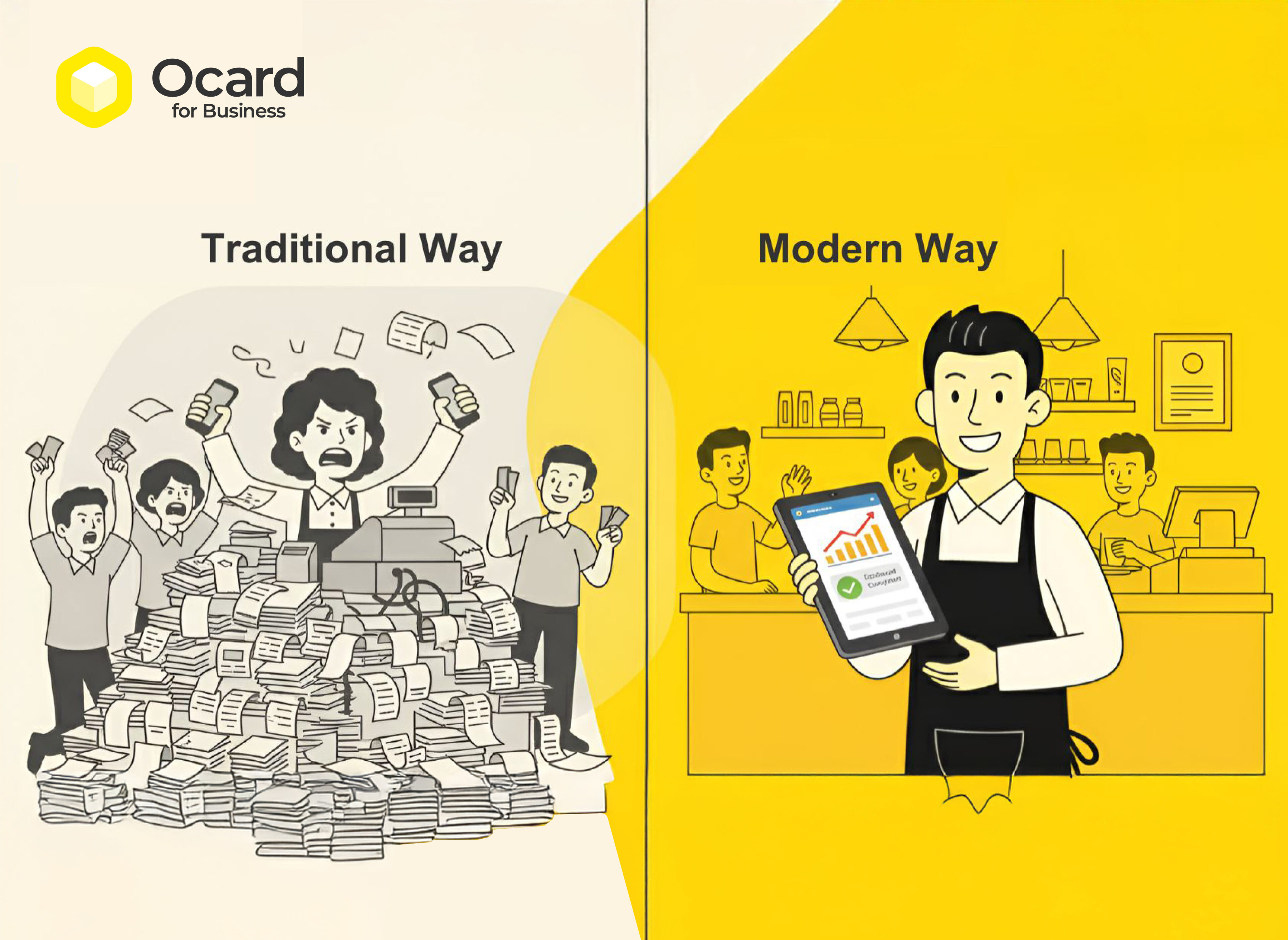
The Problem with Traditional CRM Systems
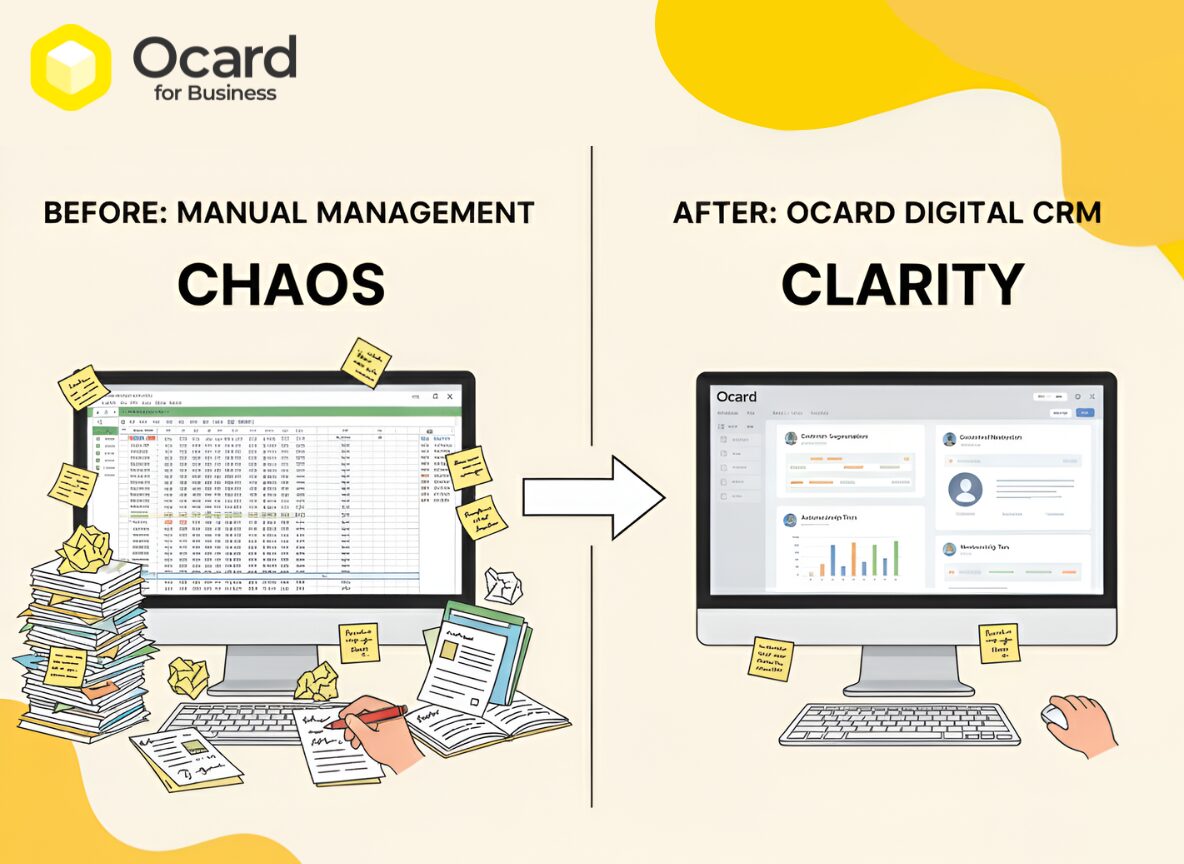
Many business owners in Malaysia give up on CRM for three reasons:
- Too Complex: Requires heavy training for staff.
- Too Expensive: High monthly fees in USD.
- Not Localized: Doesn’t integrate with local habits (like using phone numbers or WhatsApp).
What to Look for in a “CRM Malaysia” Solution?
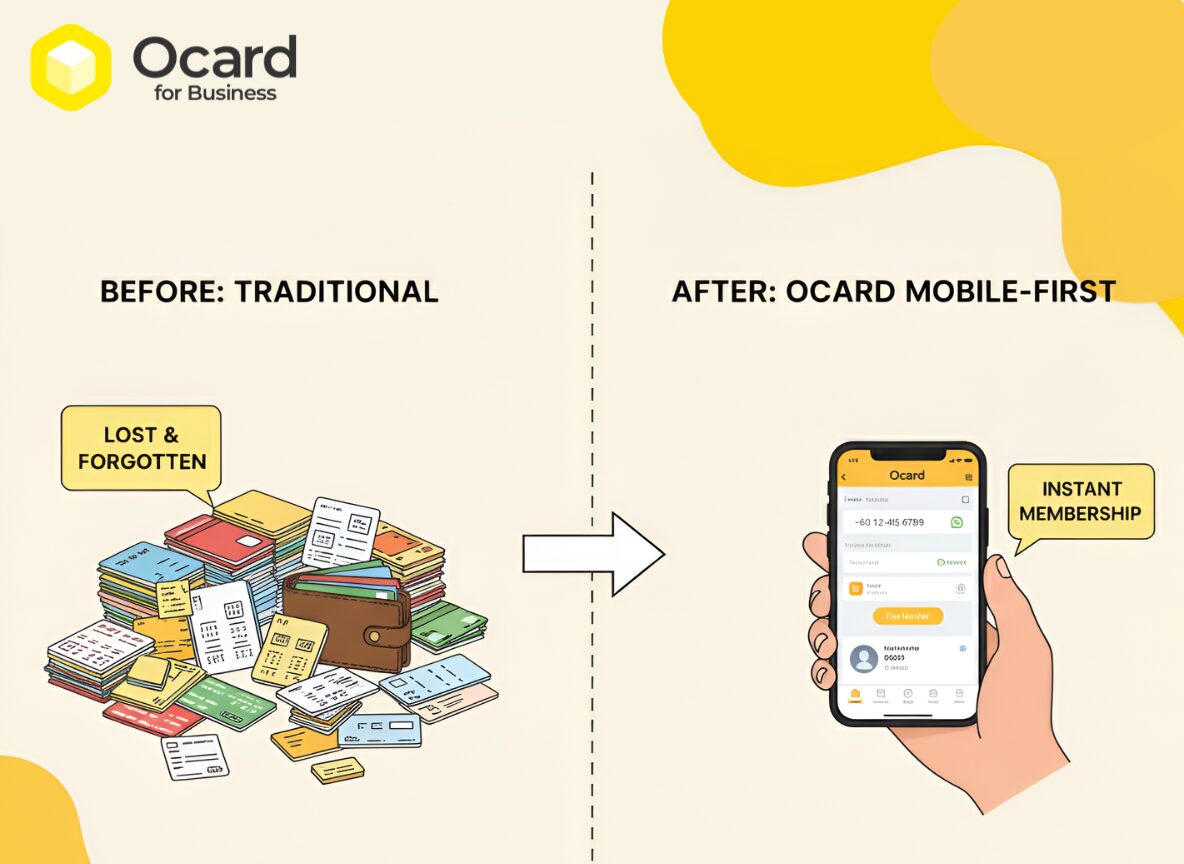
1. Mobile-First & Cardless
Malaysians hate carrying physical membership cards. Your CRM should rely on mobile numbers. If it takes more than 10 seconds to sign up a member, you will lose them.
2. Data Analytics Made Simple
You don’t need a data scientist. You need a dashboard that tells you: “70% of your revenue comes from these 100 customers.”
3. Integration with Marketing Tools
A database is useless if you can’t act on it. The best CRM allows you to send SMS or push notifications directly to specific customer segments (e.g., “Customers who love coffee but haven’t bought beans”).
Why Ocard is the Best Lightweight CRM in Malaysia
Ocard bridges the gap between simple loyalty apps and complex enterprise CRM.
- Capture Data Instantly: Customers join via their phone number. No forms to fill.
- RFM Analysis: Ocard automatically categorizes customers based on Recency (last visit), Frequency (how often), and Monetary (how much spent). This is the gold standard of CRM.
- Direct Marketing: Use the data to send targeted offers that actually convert.
Conclusion
Choosing the right CRM Malaysia solution is about finding a tool that fits your operational flow. Don’t pay for features you don’t use. Start building your customer database today with Ocard, and turn your walk-ins into loyal fans.
Ready to unlock your customer data?
FAQs
Q1:Why do traditional CRM systems fail SMEs in Malaysia?
Traditional CRM software is often too complex, costly, and not localized. Many systems require lengthy staff training, charge high USD subscription fees, and do not support Malaysian behaviors like using phone numbers or WhatsApp for customer engagement.
Q2:What is the best CRM for F&B and retail businesses in Malaysia?
A lightweight, mobile-first CRM like Ocard is ideal. It captures customer data instantly, segments customers automatically using RFM analysis, and allows businesses to send targeted SMS or notifications to boost repeat visits and revenue.
Q3:How does CRM help Malaysian SMEs increase customer retention?
CRM allows businesses to track spending habits, identify VIP customers, and automate marketing actions. For example, sending vouchers to customers who haven’t visited in 30 days helps bring them back, increasing repeat revenue at a lower marketing cost.
Just For You